The Best 3D Rendering Software to Use in 2025
The world of architectural visualization is moving fast. Every year, rendering software becomes...
Read

3D rendering can create stunning visuals that sell designs, but many projects fall short because of avoidable mistakes. Whether you are a beginner or an experienced visualizer, it helps to be aware of the most common pitfalls in 2025.
09/02/2025
3D rendering can create stunning visuals that sell designs, but many projects fall short because of avoidable mistakes. Whether you are a beginner or an experienced visualizer, it helps to be aware of the most common pitfalls in 2025.
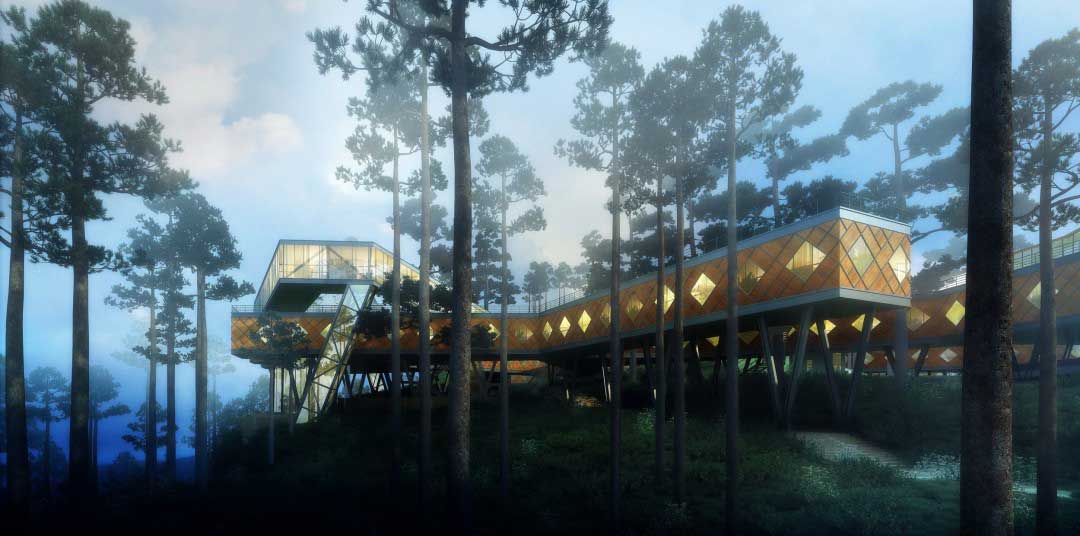
One of the biggest mistakes is poor lighting. Many new users rely only on default light settings, which can make a scene look flat or unrealistic. Good rendering relies on balancing natural and artificial lighting to highlight materials and create atmosphere.
Another frequent problem is scale. Furniture, trees, and even people often appear out of proportion, breaking the realism of a scene. Paying close attention to dimensions and using real-world measurements can solve this issue.
Overloading a scene with too many high-poly models is another trap. While it may seem like more detail is better, this can slow down rendering times and even crash software. Optimizing assets is essential for smooth workflow and faster results.
Materials are often overlooked. Using textures without proper scaling, bump maps, or reflections can make even a good model look fake. Investing time in realistic materials elevates the entire render.
A newer issue with modern software is misusing ray tracing. While ray tracing provides incredible realism with light and reflections, it is often pushed to extremes. Over-polished reflections or too much gloss can make a scene feel artificial instead of photorealistic. The key is subtlety, using ray tracing to enhance realism, not overpower it.
Finally, post-production mistakes are common. Over-editing in Photoshop or adding unrealistic filters can ruin the original quality of the render. Post-production should enhance, not hide, the work.
By paying attention to these areas, you can avoid the most common errors and deliver visuals that truly capture the essence of a design. A good render is not about pushing every setting to the maximum, but about balance, subtlety, and an eye for detail.