The Best 3D Rendering Software to Use in 2025
The world of architectural visualization is moving fast. Every year, rendering software becomes...
Read

Virtual reality is no longer a futuristic idea in architecture. It has already started reshaping the way clients experience projects, and in 2025, VR is only becoming more essential to the design and visualization process.
09/02/2025
Virtual reality is no longer a futuristic idea in architecture. It has already started reshaping the way clients experience projects, and in 2025, VR is only becoming more essential to the design and visualization process.
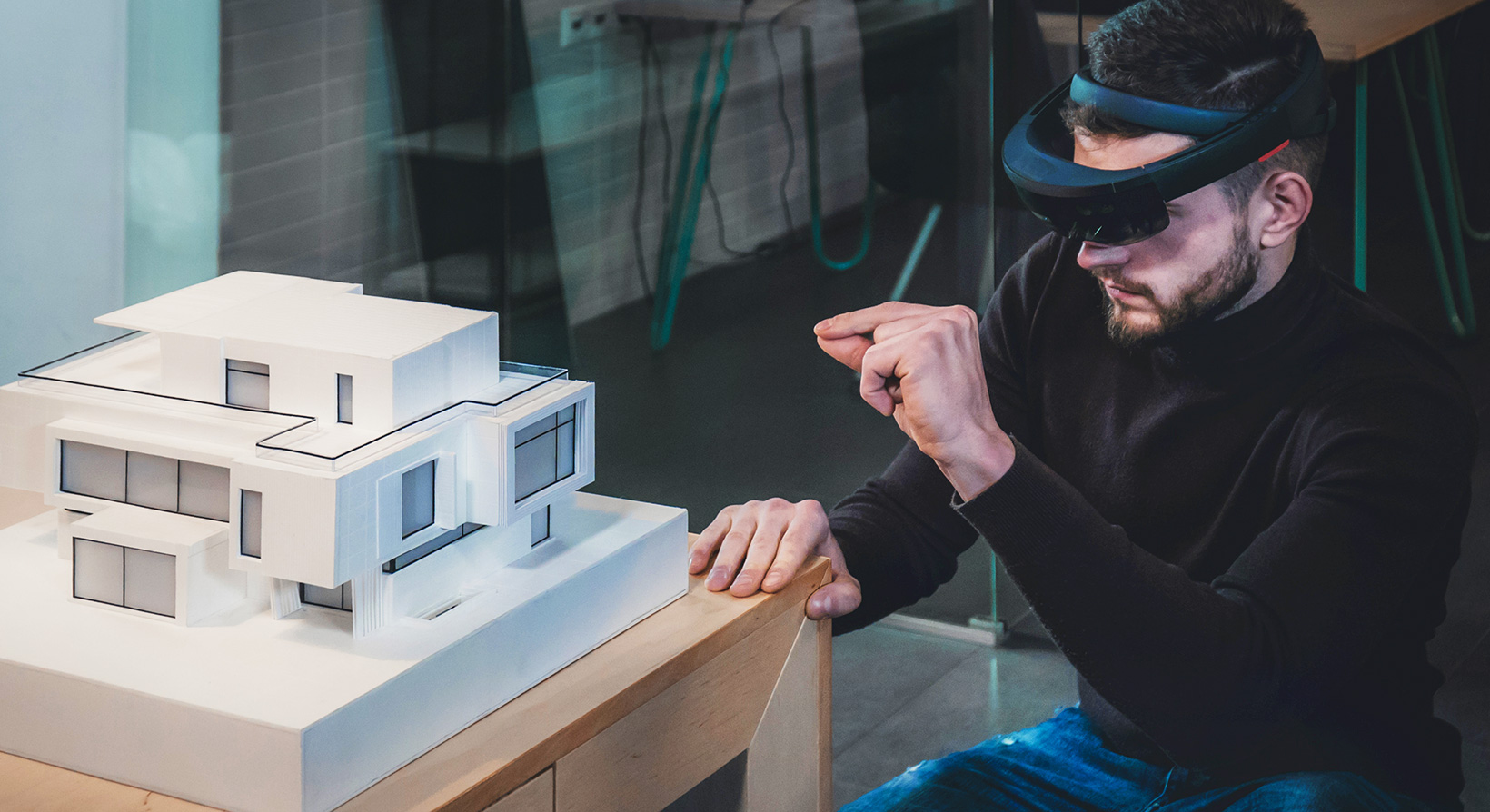
One of the most powerful aspects of VR is immersion. Clients no longer need to interpret a 2D plan or even a static 3D render. Instead, they can step inside the project and experience it at a human scale. This helps them understand proportions, materials, and layouts in a way traditional visuals cannot achieve.
Architects benefit as well. VR can reveal flaws or design challenges early on. A corridor that looks wide enough on paper may feel too narrow when experienced in VR. Furniture placement, lighting design, and circulation all become easier to refine when the project can be tested virtually.
Software like Twinmotion and Unreal Engine are currently leading the way, with seamless VR integrations that allow designers to move from model to headset quickly. Lumion and D5 Render are also exploring VR compatibility, making the technology more accessible to firms that prioritize speed.
The future of VR in architecture is tied to collaboration. Teams across different locations will be able to meet inside the same virtual model and review designs together. This is becoming especially important for developers and international projects, where decision makers cannot always be on-site.
Hardware will also play a major role. As VR headsets become lighter, more affordable, and wireless, adoption will continue to grow. With Apple and Meta pushing boundaries, VR is expected to become as common in studios as laptops or tablets.
For clients, VR offers more confidence in decision making. For architects, it reduces miscommunication and speeds up approvals. For developers, it makes marketing easier by allowing potential buyers to experience properties before they are built.
Looking ahead, VR is not replacing traditional renders or animations but complementing them. It is another powerful tool in the visualization toolbox, and in 2025 it is already clear that firms embracing it are one step ahead of those who are not.

The world of architectural visualization is moving fast. Every year, rendering software becomes...
Read
3D rendering can create stunning visuals that sell designs, but many projects fall short...
Read